
Sealing performance in extreme cold: why silicone outperforms conventional elastomers
In the most demanding environments, sealing performance isn’t just a spec on a datasheet, it’s a matter of reliability, safety and operational continuity. From orbital hardware to Arctic installations, gaskets must maintain flexibility, sealing force and dimensional stability despite prolonged exposure to sub-zero temperatures and aggressive thermal cycling.
Here at Silicone Engineering, we develop and manufacture advanced solid silicone and closed cell silicone sponge materials designed to perform where conventional elastomers fall short – particularly in extreme cold.
Why low temperature performance matters
When temperatures fall well below freezing, the behaviour of most elastomers changes dramatically. Materials can stiffen, shrink, lose resilience and ultimately fail to maintain an effective seal. In remote or safety-critical installations, that risk is unacceptable.
Silicone rubber stands apart due to its broad operating temperature range (-60°C to 230°C). While it’s widely recognised for its high temperature stability, its ability to stay flexible at very low temperatures is just as important.
Challenges in Arctic and extreme cold applications
Arctic and sub-Arctic regions present a unique combination of challenges:
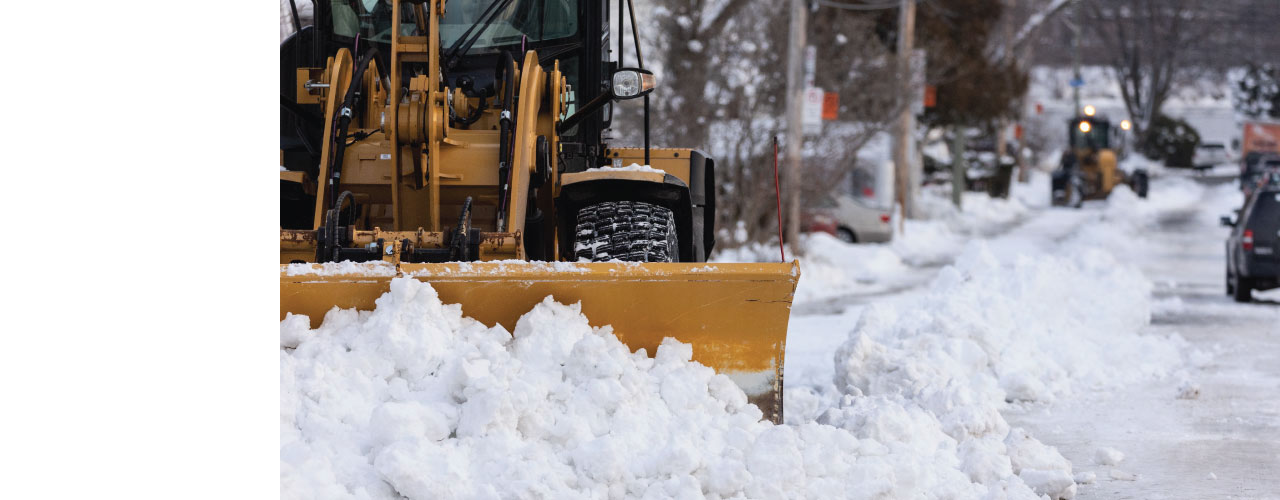
- Prolonged exposure to temperatures below –40°C
- Temperature fluctuations
- Wind-driven moisture and ice formation
- Limited access for inspection and maintenance
In these environments, gaskets have to prevent water ingress, protect sensitive equipment from condensation, and maintain compression under constant thermal contraction and expansion.
For energy infrastructure, telecommunications cabinets and monitoring systems installed in remote locations, a failed seal can lead to moisture ingress, corrosion, insulation breakdown and unplanned downtime.
Lessons from space and high-altitude hardware
Space and high-altitude aerospace systems take low-temperature demands even further. Equipment may experience cryogenic conditions, vacuum exposure and intense thermal cycling as components move in and out of direct sunlight.
In these applications, elastomers have to:
- Resist embrittlement at extreme low temperatures
- Maintain low compression set under static sealing loads
- Withstand repeated thermal cycling without cracking
- Provide long-term dimensional stability
Materials used in satellites, launch systems and high-altitude platforms often guide the best practice for land-based extreme-cold design. The same principles (resilience, low-temperature flexibility and sealing integrity) apply across defence, aerospace and strategic infrastructure projects.
How silicone behaves at low temperatures
Silicone’s molecular backbone gives it a distinct advantage in cold environments. Unlike many carbon-based elastomers, silicone stays flexible at temperatures where others become rigid and brittle.
However, not all silicone grades perform identically – compound formulation, filler systems and curing processes all influence its behaviour at low temperatures.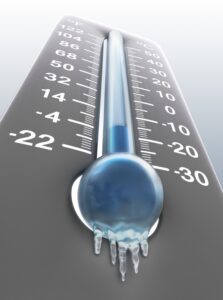
Compression set, flexibility and sealing integrity
Elastomers generally stiffen in the cold, and increased stiffness can reduce a gasket’s ability to conform to surfaces, potentially creating micro-leak paths.
Specialist silicone compounds are engineered to:
- Retain elasticity at very low temperatures
- Exhibit low compression set over extended periods
- Recover effectively after prolonged compression
- Resist cracking during thermal cycling
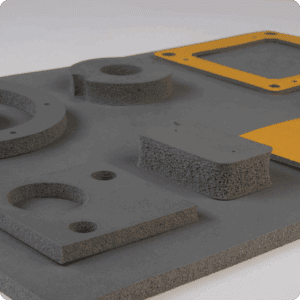
For closed cell silicone sponge materials, maintaining cell structure integrity is vitally important. A stable cellular network ensures a continued sealing force, effective environmental sealing and thermal insulation, even after repeated freeze-thaw cycles.
In practical terms, this means consistent sealing pressure, reduced risk of leakage and long service life – especially in installations where maintenance access is limited or costly.
Comparing silicone with conventional elastomers
Traditional elastomers such as EPDM, nitrile or neoprene can perform well in moderate climates. However, as temperatures approach their lower operational limits, they may:
- Harden significantly
- Lose rebound and recovery
- Develop surface cracking
- Suffer elevated compression set
Silicone typically keeps its functional flexibility at substantially lower temperatures, allowing gaskets to maintain contact pressure and environmental sealing performance.
Importantly, this low-temperature capability isn’t achieved at the expense of high-temperature performance. Silicone’s wide operating window provides a single-material solution for applications at both ends of the thermal spectrum. This range simplifies the design validation and also makes multi-environment deployments much smoother.
Property |
Silicone |
EPDM |
Nitrile |
|---|---|---|---|
| Low temp flexibility | Excellent | Moderate | Poor |
| Compression set | Low | Medium | High |
| Thermal range | Wide | Medium | Narrow |